When it comes to reliable and efficient energy storage, lithium iron phosphate (LiFePO4) battery technology has become a leading choice for a wide range of applications. For anyone seeking power solutions for renewable systems, solar street lights, or other demanding applications, selecting the right 24V lithium iron phosphate battery pack is critical. With advanced features and superior performance compared to traditional battery types, these batteries provide both durability and high energy efficiency. Here's an in-depth guide to help you make the best choice.
Table of contents:
Comparing 24V and 25.6V Battery Packs
Key Considerations for Battery Selection
Applications in Renewable Energy Systems
Maintenance and Lifespan Expectations
Comparing 24V and 25.6V Battery Packs
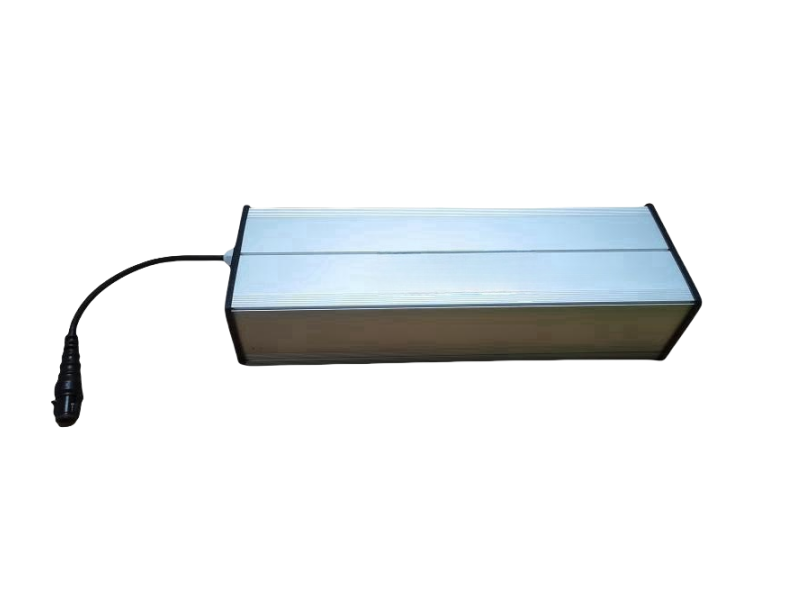
At first glance, the distinction between 24V and 25.6V lithium iron phosphate battery packs may seem minor, but it is essential to understand the difference in their performance and specifications. A 24V lithium iron phosphate battery pack typically delivers consistent voltage and is ideal for applications where stability is crucial. On the other hand, the 25.6V LiFePO4 battery pack offers a nominal voltage advantage and is better suited for high-performance systems requiring added efficiency and energy density. For example, Topwell Power's 25.6V 36Ah lithium battery is specifically designed for solar street light systems, boasting a longer lifespan, high safety standards, and efficient energy output. When selecting between the two, consider your energy demands and the compatibility of the battery with your existing system.
Key Considerations for Battery Selection
Choosing the perfect lithium iron phosphate battery for your needs requires attention to several crucial factors. Capacity is one of the most important aspects. Batteries like the 25.6V 36Ah or 24V 100Ah lithium iron phosphate battery offer distinct capacity levels to fit various applications. Cycle life is equally significant; LiFePO4 batteries often boast over 2,000 cycles, making them a cost-effective long-term investment. Weight and size are also vital, especially for portable systems, where lightweight aluminum casing can make a big difference. Additionally, safety features such as overcharge protection, short circuit safeguards, and temperature resistance are non-negotiable for any reliable battery pack. Lastly, certifications like CE, UN38.3, and RoHS ensure that the battery meets international safety and performance standards, so be sure to prioritize certified products.
Applications in Renewable Energy Systems
Lithium iron phosphate batteries have revolutionized renewable energy systems by delivering powerful and dependable storage solutions. Solar street lights, for instance, have benefited immensely from this technology. Solar street light lithium batteries, such as Topwell Power's 25.6V and 24V packs, are engineered to operate efficiently in varying temperatures, ensuring uninterrupted lighting. Their lightweight and compact design makes them easy to integrate into existing systems, saving installation space. Beyond solar applications, 24V lithium iron phosphate batteries are used in home energy storage setups, backup power systems for telecommunications, renewable-powered RVs, and more. These batteries' ability to deliver consistent energy output while withstanding extreme environmental conditions has made them indispensable in modern energy solutions.
Maintenance and Lifespan Expectations
One of the standout features of lithium iron phosphate batteries is their long service life, with many products offering upwards of 10 years or 2,000 charge cycles. Proper maintenance is crucial to achieve this lifespan, and fortunately, LiFePO4 batteries are relatively low-maintenance compared to alternatives. Their low self-discharge rate means they can retain their charge for extended periods, making them ideal for intermittent use. To maximize longevity, avoid exposing the battery to extreme temperatures outside its operating range, typically -20°C to 60°C for discharge and 0°C to 45°C for charging. Most LiFePO4 batteries come with built-in Battery Management Systems (BMS) that monitor and protect against overcharging, over-discharging, and overheating. This advanced technology ensures that you get the best performance and longevity from your battery pack with minimal intervention.
In conclusion, LiFePO4 batteries are a reliable and efficient choice for a wide range of applications, thanks to their durability, safety features, and advanced Battery Management Systems. By following proper usage and maintenance practices, users can significantly extend the lifespan of their battery packs, ensuring consistent performance over time. Whether for renewable energy systems, electric vehicles, or portable devices, LiFePO4 technology represents a sustainable and high-performing energy solution.