The evolution of wearable technology has sparked a revolution in power solutions, with lithium polymer batteries taking center stage. As devices become more sophisticated and compact, the demand for efficient, lightweight, and flexible power sources has surged. Lithium polymer battery manufacturers are at the forefront of this innovation, developing customized solutions that cater to the unique needs of wearable devices. From smartwatches to fitness trackers, these advanced batteries are powering a new era of personal technology. The integration of gps battery technology in wearables has further emphasized the need for reliable, long-lasting power sources that can keep pace with increasingly demanding applications.
Table of contents:
Tailoring 3.7V Lithium Polymer Batteries to Meet Diverse Wearable Tech Needs
Innovative Applications of Polymer Lithium Batteries in Smart Clothing
Overcoming Design Challenges with Flexible Lithium Ion Polymer Batteries
The Future of Wearables Powered by Customized Rechargeable Li-Ion Batteries
Tailoring 3.7V Lithium Polymer Batteries to Meet Diverse Wearable Tech Needs
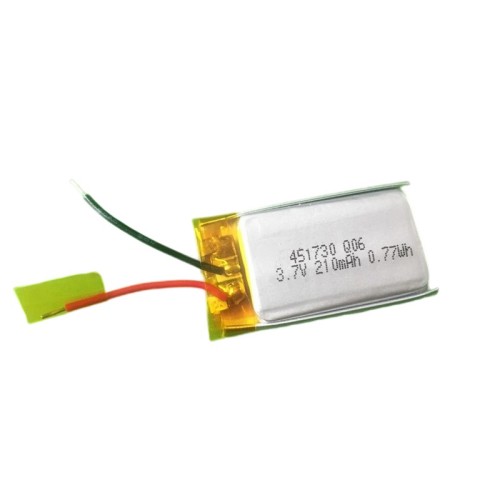
The versatility of 3.7V lithium polymer batteries has made them a go-to choice for wearable technology developers. Lithium polymer battery manufacturers are constantly pushing the boundaries of what's possible, creating batteries that are not only powerful but also incredibly thin and flexible. The IEC62133 Approved 451730 3.7V 210mAh Lithium Ion Polymer Battery exemplifies this progress, offering a compact solution that weighs a mere 4 grams while providing a nominal capacity of 210mAh. This balance of power and portability is crucial for devices like GPS trackers, where a reliable gps battery is essential for continuous operation. The ability to customize these batteries allows manufacturers to meet the specific requirements of various wearable designs, ensuring optimal performance in diverse applications.
Innovative Applications of Polymer Lithium Batteries in Smart Clothing
The integration of polymer lithium batteries into smart clothing represents a significant leap forward in wearable technology. Lithium polymer battery manufacturers are collaborating with fashion designers to create garments that not only look good but also function as powerful, connected devices. These batteries, with their flexible form factor, can be seamlessly incorporated into fabrics, powering everything from heated jackets to health-monitoring shirts. The gps battery technology embedded in these smart garments enables real-time location tracking, making them invaluable for outdoor enthusiasts and safety-conscious individuals. The long cycle life of modern lithium polymer batteries, often exceeding 800 cycles, ensures that these smart clothing items remain functional and reliable for extended periods.
Overcoming Design Challenges with Flexible Lithium Ion Polymer Batteries
One of the most significant challenges in wearable technology design is the integration of power sources that don't compromise comfort or aesthetics. Flexible lithium ion polymer batteries have emerged as a solution to this problem, allowing designers to create sleek, ergonomic devices. Lithium polymer battery manufacturers have developed batteries that can be molded into various shapes, conforming to the contours of wearable devices. This flexibility is particularly beneficial for gps battery applications in compact wearables, where space is at a premium. The ability to customize battery dimensions, like the 4.7 x 17.5 x 32mm size of the LP451730-210-1S1P model, allows for optimal use of available space within devices, maximizing both power capacity and design freedom.
The Future of Wearables Powered by Customized Rechargeable Li-Ion Batteries
As wearable technology continues to advance, the role of customized rechargeable li-ion batteries becomes increasingly critical. Lithium polymer battery manufacturers are investing heavily in research and development to create batteries that are not only more powerful and efficient but also safer and more environmentally friendly. The future of wearables will likely see the integration of advanced gps battery systems that can provide extended tracking capabilities with minimal power consumption. Additionally, improvements in battery technology are expected to lead to even longer cycle lives, potentially exceeding the current 800-cycle benchmark. This longevity will be crucial for the sustainability of wearable devices, reducing electronic waste and improving the overall user experience.
The landscape of wearable technology is being reshaped by advancements in lithium polymer battery design. These power sources are no longer just components but integral parts of the wearable ecosystem. The ability of lithium polymer battery manufacturers to create tailored solutions has opened up new possibilities for device functionality and form factor. From smart clothing to advanced GPS trackers, the versatility of these batteries is driving innovation across the industry. As we look to the future, the continued evolution of gps battery technology and lithium polymer batteries will undoubtedly lead to even more exciting developments in wearable tech, promising devices that are more powerful, comfortable, and integrated into our daily lives than ever before.