Renewable energy is no longer a distant dream; it's a reality that's shaping the future of how we generate and consume power. But, as with any innovation, its success hinges on addressing specific challenges. One of the most significant hurdles has been energy storage—how to effectively store energy generated from renewable sources like solar and wind so that it can be used when needed. Enter energy storage battery, particularly rack-mounted options, which are revolutionizing the renewable energy landscape. This blog post explores how these advanced batteries are transforming various sectors and what that means for our collective future.
The Role of Energy Storage Batteries in Solar Power Systems
Enhancing Wind Energy Efficiency with Rack Mounted Batteries
Real-Life Examples: Renewable Projects Powered by Energy Storage Batteries
Comparing Energy Storage Solutions for Different Renewable Sources
Future Innovations in Renewable Energy Storage
The Role of Energy Storage Batteries in Solar Power Systems
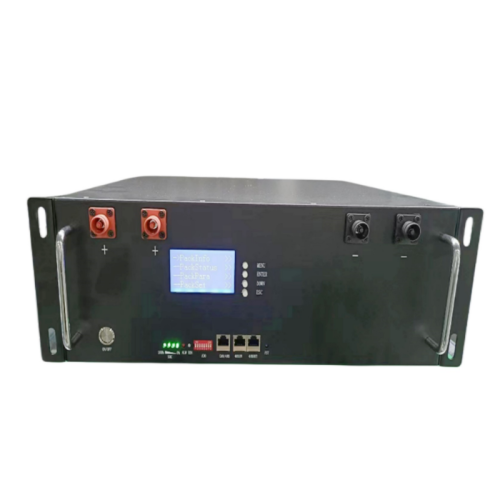
Solar power is an incredible resource, harnessing the sun's energy to generate electricity. However, the sun doesn't shine 24/7, and that's where energy storage batteries come into play. These batteries store excess energy generated during sunny periods, making it available when the sun isn't shining. The 51.2V 100Ah LiFePO4 energy storage battery, for example, is designed for both residential and commercial settings, providing reliable and high-capacity storage solutions. This battery supports significant energy demands with its 5.12kWh capacity, ensuring that homes and businesses can run smoothly even during cloudy days or nighttime.
Enhancing Wind Energy Efficiency with Rack Mounted Batteries
Wind energy is another fantastic renewable resource, but like solar, it's intermittent. Wind doesn't blow consistently, which makes storing its energy crucial. Rack mounted energy storage battery are particularly effective in this scenario. The advanced Battery Management System (BMS) ensures safe operation by preventing overcharge, over-discharge, and overheating. With IP65 certification, these batteries are suitable for various environmental conditions, including those found in wind farms. By integrating seamlessly with leading inverter brands, these batteries make wind energy more efficient and reliable.
Real-Life Examples: Renewable Projects Powered by Energy Storage Batteries
Several real-life projects demonstrate the power and potential of energy storage batteries in renewable energy systems. For instance, in remote areas where grid access is limited, these batteries have enabled communities to rely entirely on renewable energy. In urban settings, commercial buildings equipped with rack-mounted batteries are not only reducing their carbon footprint but also saving on energy costs. The versatility and reliability of these batteries make them ideal for a wide range of applications, from residential solar setups to large-scale wind farms.
Comparing Energy Storage Solutions for Different Renewable Sources
Not all energy storage solutions are created equal, and it's essential to understand which types are best suited for different renewable sources. For solar power, batteries like the 51.2V 100Ah LiFePO4 are ideal due to their high energy density and efficiency. For wind energy, the robustness and environmental resilience of these rack-mounted batteries make them a perfect fit. When comparing different energy storage options, factors such as capacity, efficiency, and compatibility with existing systems should be considered. Rack-mounted batteries often come out on top due to their versatility and ease of installation.
Future Innovations in Renewable Energy Storage
The future of energy storage is incredibly promising, with ongoing innovations aimed at making these systems even more efficient and cost-effective. Advances in battery technology are focusing on increasing energy density, improving charging speeds, and enhancing longevity. Emerging technologies like solid-state batteries and flow batteries are set to revolutionize the market further. Companies like Topwell are at the forefront of these innovations, continually improving their products to meet the evolving needs of the renewable energy sector.
Energy storage batteries are undoubtedly transforming the renewable energy landscape. From improving the efficiency of solar and wind power systems to enabling entirely new applications, these batteries are key to unlocking the full potential of renewable energy. The 51.2V 100Ah LiFePO4 rack-mounted battery exemplifies the kind of innovation that's driving this transformation. For those looking to integrate renewable energy solutions into their homes or businesses, understanding the benefits and capabilities of these advanced storage systems is crucial. Explore the possibilities and take steps toward a more sustainable and efficient energy future with cutting-edge energy storage technology.
For more detailed advice and expert guidance on choosing the right energy storage solution for your needs, consider consulting with professionals or joining renewable energy forums and communities. The future of energy is here, and it's powered by innovation and sustainability.