In today's rapidly advancing technological landscape, the demand for reliable energy storage solutions has never been higher. As industries and consumers alike seek more efficient and powerful options, the Li-ion Battery stands out as a leading choice. Known for its high energy density and long life cycle, the Li-ion Battery is pivotal in powering everything from smartphones to electric vehicles. However, navigating the world of Li-ion Battery suppliers and manufacturers can be daunting. With a myriad of options available, understanding the key factors that differentiate one supplier from another is crucial. This article aims to guide you through the essentials of choosing a reliable supplier, debunking common myths about manufacturing, and exploring the latest market trends.
Table of contents:
How to Choose a Reliable Lithium Battery Supplier
Debunking the Top Myths About Li-ion Battery Manufacturing
Trends in the Li-ion Battery Market: What Suppliers Need to Know
Buyer Concerns: Ensuring Quality When Purchasing 3.7v Li-ion Batteries
How to Choose a Reliable Lithium Battery Supplier
When it comes to selecting a reliable lithium battery supplier, several critical factors must be considered. First, evaluate the supplier's reputation in the industry. A reputable supplier will have a track record of delivering high-quality products and excellent customer service. It's also essential to assess the range of products they offer. A diverse portfolio, including options like the 3.6v li ion battery, indicates a supplier's capability to meet varying customer needs. Additionally, consider the supplier's adherence to international safety and quality standards. Certifications such as ISO and CE are indicators of a supplier's commitment to quality. Finally, don't overlook the importance of after-sales support. A supplier that offers comprehensive support can help address any issues that may arise post-purchase, ensuring a smooth and satisfactory experience.
Debunking the Top Myths About Li-ion Battery Manufacturing
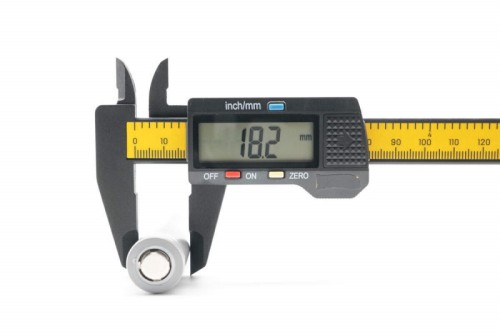
There are several misconceptions surrounding the manufacturing of Li-ion batteries that can mislead potential buyers. One common myth is that all Li-ion batteries are the same, but this is far from the truth. Variations in chemistry, design, and manufacturing processes result in significant differences in performance and safety. Another myth is that Li-ion batteries are unsafe and prone to explosions. While incidents have occurred, they are rare and typically result from poor manufacturing practices or misuse. Reputable manufacturers adhere to stringent safety standards to ensure product reliability. It's also a misconception that Li-ion batteries have a short lifespan. In reality, with proper care and usage, a battery like the li ion 18650 battery 3.7 v 4000mah can last for several years. Understanding these myths helps consumers make informed decisions and choose products that meet their needs.
Trends in the Li-ion Battery Market: What Suppliers Need to Know
The Li-ion battery market is constantly evolving, driven by technological advancements and changing consumer demands. One significant trend is the increasing demand for higher energy density batteries. As devices become more power-hungry, the need for compact yet powerful batteries has grown. Suppliers must focus on innovation to develop batteries that offer more power without increasing size. Another trend is the push for sustainable and environmentally friendly battery solutions. With growing awareness of environmental issues, consumers and industries are seeking greener options. Suppliers who invest in eco-friendly manufacturing practices and materials can gain a competitive edge. Additionally, the rise of electric vehicles is a major driver of market growth, pushing suppliers to enhance their capabilities to meet the demands of this burgeoning sector.
Buyer Concerns: Ensuring Quality When Purchasing 3.7v Li-ion Batteries
Purchasing a 3.7v Li-ion battery involves several considerations to ensure you receive a quality product. First, verify the authenticity of the battery. Counterfeit products are prevalent in the market, and using them can lead to subpar performance or safety hazards. Always buy from reputable suppliers who provide genuine products. It's also important to check the battery's specifications to ensure compatibility with your device. Mismatched specifications can lead to inefficient performance or damage to your device. Additionally, consider the warranty and return policy offered by the supplier. A solid warranty indicates the supplier's confidence in their product's quality. Lastly, read customer reviews and testimonials to gauge the experiences of other buyers. This feedback can provide valuable insights into the supplier's reliability and product performance.
In conclusion, navigating the world of Li-ion battery suppliers and manufacturers requires careful consideration and informed decision-making. By understanding the key factors that contribute to a reliable supplier, debunking common myths, staying abreast of market trends, and addressing buyer concerns, you can make choices that lead to successful outcomes. Whether you're purchasing a lithium battery for personal use or industrial applications, being equipped with the right knowledge will ensure you select products that meet your needs and expectations.