The increasing demand for high-performance batteries, particularly the 18650 LiFePO4 batteries, has pushed manufacturers to maintain superior quality assurance practices. From portable power systems to electric vehicles, these batteries play a critical role across industries, making reliability paramount. This blog will explore the fundamental quality practices leading 18650 LiFePO4 battery manufacturers employ to deliver consistent, durable, and safe products.
Table of contents:
Implementing Rigorous Testing Protocols for 18650 LiFePO4 Batteries
Ensuring Consistency in 18650 LiFePO4 Battery Production
Adhering to International Standards in 18650 LiFePO4 Battery Manufacturing
Continuous Improvement Strategies in 18650 LiFePO4 Battery Quality
Implementing Rigorous Testing Protocols for 18650 LiFePO4 Batteries
For any 18650 LiFePO4 battery manufacturer, implementing rigorous testing protocols is a non-negotiable aspect of quality assurance. Each battery undergoes multiple stages of testing to ensure it meets performance and safety standards. These tests include cycle life assessments, where batteries are charged and discharged repeatedly to confirm durability, and internal resistance checks to monitor efficiency. Additionally, manufacturers test their batteries in extreme temperatures, reflecting real-world conditions. For example, companies like Topwell Power, which offers the IFR 18650 battery 3.2v 1500mAh, conduct cycle tests to ensure their products last over 2,000 cycles with more than 80% nominal capacity retained. These exhaustive tests mitigate risks and ensure batteries perform flawlessly in applications such as solar energy storage, electric scooters, and backup power systems.
Ensuring Consistency in 18650 LiFePO4 Battery Production
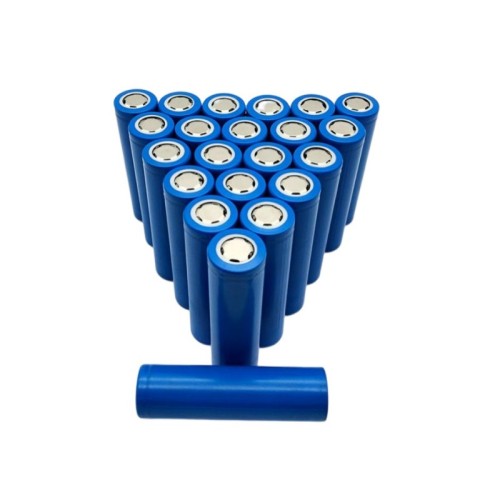
Consistency is a hallmark of high-quality battery manufacturing. Leading 18650 LiFePO4 battery manufacturers prioritize streamlined production processes to minimize variability between cells. Advanced equipment, like automatic liquid injection machines and laser welding systems, is used to ensure precision and reduce human error. Manufacturers often employ strict capacity sorting and cycle testing to ensure each battery aligns with its specifications. Topwell Power, for instance, incorporates automated quality checks at every stage of production, from raw materials mixing to final packing. This meticulous attention to detail ensures consistent capacity, voltage, and resistance levels, which are crucial for applications in energy storage and electric vehicles. By striving for uniformity in their products, manufacturers build customer trust and reduce returns and malfunctions.
Adhering to International Standards in 18650 LiFePO4 Battery Manufacturing
Adhering to internationally recognized standards is vital for any 18650 LiFePO4 battery manufacturer aiming to deliver reliable products. Certifying bodies such as CE, RoHS, and UN38.3 provide frameworks for safety, environmental compliance, and shipping. The IFR 18650 battery from Topwell Power, for example, meets CE, RoHS, and IEC62133 standards while also holding ISO9001 certifications for quality management. These certifications ensure these batteries comply with environmental and transport requirements, making them suitable for global deployment. Furthermore, adhering to standards like UN38.3 allows manufacturers to ship products with all the necessary certifications, facilitating seamless cross-border transactions. Strict compliance with these standards not only protects end-users but also reinforces the manufacturer’s reputation for quality.
Continuous Improvement Strategies in 18650 LiFePO4 Battery Quality
To stay competitive, leading manufacturers adopt continuous improvement strategies for their 18650 LiFePO4 battery production. This involves regularly updating production equipment, retraining employees, and analyzing performance data to identify inefficient processes. One example is Topwell Power's use of advanced manufacturing tools such as precision automated rollers and high-accuracy temperature controls for coating processes. Additionally, customer feedback is often incorporated into development cycles to address real-world issues and improve user experiences. By focusing on product innovation, manufacturers can enhance features like higher discharge rates and longer cycle lives, which are key selling points for applications like portable power systems and electric bikes.
Maintaining high standards in the production of 18650 LiFePO4 batteries is essential for manufacturers to meet the demands of today’s energy-dependent world. Through rigorous testing, consistent manufacturing practices, adherence to international standards, and a commitment to continuous improvement, these manufacturers ensure their batteries are reliable, efficient, and safe. Whether powering a solar energy system or an electric scooter, businesses and consumers can count on the 18650 LiFePO4 battery for performance and longevity. To explore high-quality 18650 LiFePO4 batteries for your projects, visit Topwell Power and discover a trusted manufacturer dedicated to excellence.