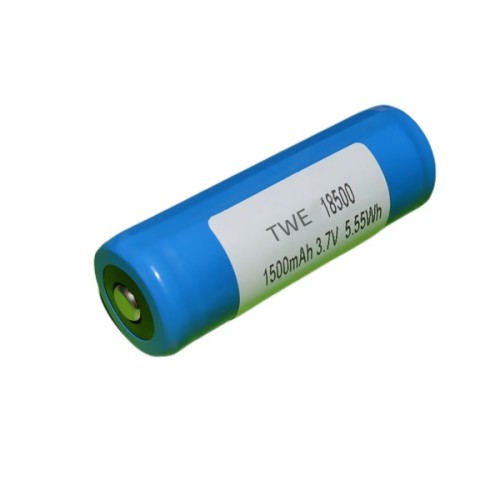
In the quest for sustainable and renewable energy solutions, 18500 Li-ion batteries play a pivotal role. These batteries, with their compact size and high energy density, have become indispensable in powering a wide array of devices from handheld portable gadgets to advanced medical equipment. However, as the use of these batteries grows, so does the importance of adopting eco-friendly disposal and recycling practices. In this blog post, we'll explore the significance of recycling 18500 Li-ion battery, available recycling programs, their contribution to sustainable energy, and how we can overcome recycling challenges to create a circular economy.
The Importance of Eco-Friendly Disposal of Li-ion Batteries
Recycling Programs and Initiatives for 18500 Li-ion Batteries
How 18500 Li-ion Batteries Contribute to Sustainable Energy Solutions
Challenges and Solutions in Li-ion Battery Recycling
Creating a Circular Economy with 18500 Li-ion Batteries
The Importance of Eco-Friendly Disposal of Li-ion Batteries
Li-ion batteries, including the 18500 variant, contain valuable materials that can be harmful to the environment if not disposed of properly. The eco-friendly disposal and recycling of these batteries not only prevent potential environmental damage but also allow for the recovery of precious metals and materials, reducing the need for new raw materials and minimizing the carbon footprint associated with battery production.
Recycling Programs and Initiatives for 18500 Li-ion Batteries
Various recycling programs and initiatives have been established to facilitate the proper disposal of 18500 Li-ion batteries. These programs aim to make the recycling process as convenient as possible for consumers, often involving collection points at retail stores or special hazardous waste collection events. Additionally, manufacturers and retailers are increasingly participating in take-back schemes, encouraging users to return their used batteries for recycling.
How 18500 Li-ion Batteries Contribute to Sustainable Energy Solutions
18500 Li-ion battery are at the forefront of sustainable energy solutions, powering a wide range of devices and systems that contribute to a greener planet. From solar-powered outdoor equipment to energy-efficient medical devices, these batteries enable technologies that reduce our reliance on fossil fuels. Furthermore, the ability to recharge and reuse these batteries multiple times before they need recycling underscores their role in promoting sustainability.
Challenges and Solutions in Li-ion Battery Recycling
Despite the clear benefits, recycling 18500 Li-ion batteries faces several challenges. The process of separating and recovering the various materials within the batteries can be complex and costly. However, advancements in recycling technologies are making it more feasible to efficiently recover valuable materials. Initiatives to standardize battery design could further enhance the recyclability of Li-ion batteries, making the process more straightforward and less expensive.
Creating a Circular Economy with 18500 Li-ion Batteries
The ultimate goal in sustainable battery use and recycling is to establish a circular economy, where every battery is recycled and its materials reused, minimizing waste and environmental impact. Achieving this requires concerted efforts from manufacturers, consumers, and recyclers to ensure that batteries are designed for recyclability, consumers are informed and motivated to recycle, and recycling processes are efficient and economically viable.
In conclusion, as the adoption of 18500 Li-ion batteries continues to grow, so does the responsibility to ensure their lifecycle ends as sustainably as it began. Through effective recycling programs, advancements in technology, and a collective commitment to sustainability, we can maximize the environmental benefits of these essential batteries. Together, we can pave the way for a more sustainable future, powered by the very technologies that require these batteries.