In the rapidly evolving world of electric transportation, the electric bike battery stands at the forefront of innovation. These powerful lithium ion batteries for ebikes are revolutionizing the way we think about personal mobility and sustainable commuting. At the heart of this technology lies the 36V battery system, a compact powerhouse that drives electric bicycles to new heights of performance and efficiency. This article delves into the intricacies of these advanced power sources, exploring how they're engineered to provide reliable, long-lasting energy for e-bike enthusiasts and everyday commuters alike.
Table of contents:
Breaking Down the BMS: How Advanced Management Systems Protect Your E-Bike Battery
Temperature Matters: Optimizing 36V Electric Bike Battery Performance in Various Climates
Cycle Life Explained: Ensuring Longevity in Your Lithium Ion Battery Pack
Capacity Customization: Tailoring Your Electric Bike Battery to Your Riding Needs
Breaking Down the BMS: How Advanced Management Systems Protect Your E-Bike Battery
The Battery Management System (BMS) is a critical component of any high-quality electric bike battery. This sophisticated electronic system acts as the brain of the battery pack, constantly monitoring and managing various parameters to ensure optimal performance and safety. In the case of the 36V lithium ion battery for ebikes, the BMS plays a crucial role in balancing individual cell voltages, preventing overcharging and over-discharging, and regulating temperature. By maintaining these factors within safe operating ranges, the BMS significantly extends the life of the battery and protects the rider from potential hazards. Advanced BMS technology also contributes to the low self-discharge rate of modern electric bike batteries, ensuring that your e-bike is ready to go even after extended periods of non-use.
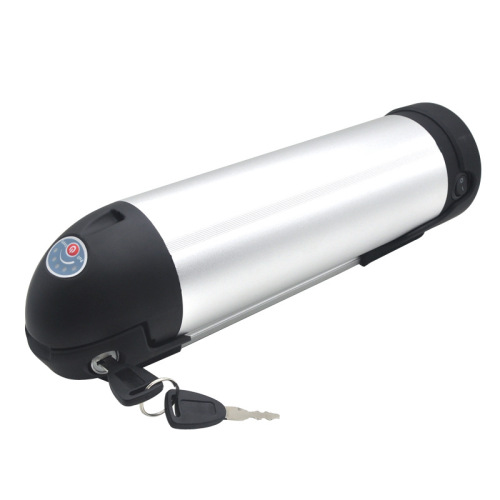
Temperature Matters: Optimizing 36V Electric Bike Battery Performance in Various Climates
Temperature plays a pivotal role in the performance and longevity of electric bike batteries. The 36V battery systems are designed to operate efficiently within specific temperature ranges, typically 0°C to 45°C for charging and -20°C to 60°C for discharging. These parameters are crucial for maintaining the electric bike battery's integrity and performance across various climates. In colder temperatures, the chemical reactions within the lithium ion cells slow down, potentially reducing the available capacity. Conversely, extreme heat can accelerate chemical processes, potentially leading to premature aging of the battery. To combat these effects, many advanced electric bike battery packs incorporate thermal management features, ensuring consistent performance whether you're riding through a chilly mountain pass or a sun-baked urban landscape.
Cycle Life Explained: Ensuring Longevity in Your Lithium Ion Battery Pack
The cycle life of an electric bike battery is a key factor in its overall value and performance. A high-quality 36V lithium ion battery for ebikes, like the one described, boasts a cycle life of ≥1000 cycles at 80% depth of discharge. This means the battery can be charged and discharged at least 1000 times before its capacity drops to 80% of its original rating. To achieve this impressive longevity, manufacturers employ several strategies. They use high-grade battery cells, carefully match them based on capacity, voltage, and internal resistance, and assemble them with robust construction techniques such as fixed brackets and spot-welded nickel strips. These measures ensure that the electric bike battery maintains its performance over time, providing riders with consistent range and power output throughout its lifespan.
Capacity Customization: Tailoring Your Electric Bike Battery to Your Riding Needs
One of the most significant advantages of modern electric bike battery technology is the ability to customize capacity to suit individual riding requirements. The 36V battery system offers flexibility in capacity options, typically ranging from 10.4Ah to 14Ah or more. This customization allows riders to balance their need for range with considerations like weight and cost. For instance, a commuter with a short daily ride might opt for a lower capacity battery to reduce weight, while a long-distance cyclist might choose a higher capacity option for extended range. The ability to tailor the electric bike battery to specific needs ensures that e-bike systems can cater to a wide range of users and applications, from city commuters to off-road enthusiasts.
The 36V lithium ion battery for ebikes represents a pinnacle of modern energy storage technology for personal electric vehicles. With advanced features like sophisticated Battery Management Systems, optimized temperature performance, impressive cycle life, and customizable capacity options, these batteries are engineered to meet the diverse needs of e-bike riders. As electric bike battery technology continues to evolve, we can expect even greater advancements in energy density, charging speeds, and overall performance. For now, the current generation of 36V batteries provides a reliable, efficient, and adaptable power source that's propelling the e-bike revolution forward, one ride at a time. Whether you're tackling urban commutes or exploring off-road trails, these advanced battery systems ensure that your electric bike is always ready for the journey ahead.