Unveiling the Cost of Installing a Tesla Powerwall Battery System for Home Energy Storage
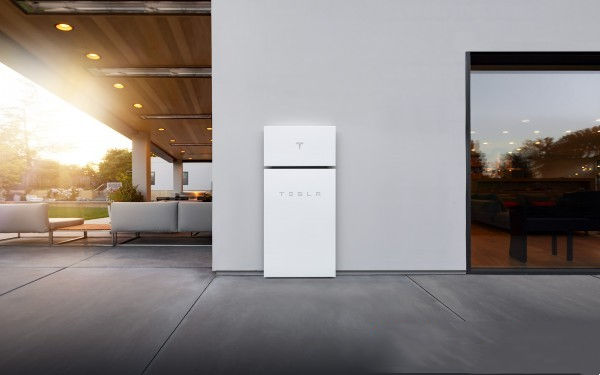
The Tesla Powerwall is an energy storage system that pairs with solar panels to provide backup power storage for your home. In addition to reducing reliance on the grid, the
Powerwall allows users to monitor and manage their backup power, even remotely. This technology is particularly useful during power outages. However, what is the actual cost of installing a Tesla Powerwall battery system?
The price of the Tesla Powerwall depends on several factors, including where you live, how many units you plan to install, which model you choose, and other factors. Additionally, it's worth noting that Tesla requires installation by a Tesla-certified professional, even if you don't purchase from Tesla, especially if you have an electric vehicle.
According to the Powerwall order configuration on the Tesla website, the price of one Powerwall is $8,700, excluding installation and delivery costs, as well as up to 30% federal tax incentives.
While the total price of the Powerwall can vary significantly based on each case, a recent analysis by MarketWatch found that including installation and labor costs through Tesla, the price of one Powerwall typically ranges around $11,500 (approximately ¥83,000). If installation fees are not included, the price is around $9,200 (approximately ¥67,000). However, users still need to work with a Tesla-certified installer.
Regarding delivery and installation, Tesla offers two options for buyers, both of which require additional delivery fees. The first option allows you to order the Powerwall and have it installed for a price ranging from $6,000 to $6,200, while the second option only charges a $200 delivery fee, excluding installation costs. Even in this case, buyers still need to coordinate with Tesla-certified installers. The company recommends contacting customer service before purchasing to obtain a quote.
Most installers recommend purchasing two to three Powerwalls, while most homeowners typically install two to four Powerwalls to ensure they can operate during typical power outages. Buyers can use up to 10 Powerwalls simultaneously in one residence. The more Powerwalls you have, the more backup energy you can store.
Tesla's Powerwalls can be used with or without the company's solar panels or solar roof, and they can also be used with other brands of solar equipment. The storage capacity of a single Powerwall is 13.5 kWh, which is larger than most other batteries used for
solar energy storage. Additionally, the purchase of Powerwalls includes a 10-year warranty, with Tesla guaranteeing a battery capacity of 70% at the end of the warranty period.