The rise of technology in every aspect of life, from industrial operations to outdoor adventures, has increased the need for power solutions that can handle extreme conditions. Standard lithium-ion batteries, though revolutionary, often fail in low temperatures, leading to poor performance or breakdowns. This challenge has driven innovation in low-temperature lithium batteries. Two key players in this field are lithium-ion battery manufacturers Topwell Power and Ecolithium. But when temperatures drop and reliability matters, who truly excels in creating batteries that perform in the cold? Dependable power in sub-zero conditions is no longer a niche need. From Arctic research equipment and high-altitude drones to emergency services in winter and everyday electronics in cold climates, a battery’s ability to perform reliably is crucial. This article will compare Topwell and Ecolithium, assessing their products, technical expertise, and market standing to help businesses and consumers find the most reliable low-temperature lithium-ion battery solutions.
Table of contents:
Brand Overview: Foundations of Expertise in Lithium Battery Technology
Technical Parameters Deep Dive: Capacity, Temperature Resilience, and Cycle Life
Low-Temperature Performance Unveiled: Real-World Discharge in the Deep Freeze
Application Arenas: Industrial Might vs. Niche Consumer Focus
Customization Capabilities and Bulk Procurement Support: Tailoring Power Solutions
Conclusion: Identifying the True Low-Temperature Lithium Battery Specialist
Brand Overview: Foundations of Expertise in Lithium Battery Technology
Understanding the background and developmental trajectory of each company provides crucial context to their capabilities in the specialized field of low-temperature batteries.
Topwell Power : A Legacy of Lithium Innovation
https://www.topwellpower.com/
The company operates two substantial production bases in China, covering an expansive 220 acres. This significant manufacturing footprint enables an impressive annual output of 200 million battery cells.
TOPWELL's product portfolio is diverse, catering to a wide array of demanding applications. Their batteries are integral components in power tools requiring high discharge rates, sophisticated energy storage systems for residential and industrial use, and rugged outdoor equipment designed to brave the elements. This breadth of application underscores a versatile manufacturing capability and a commitment to quality that meets varied industry standards. Their foray into wide-temperature lithium batteries is a natural extension of this robust foundation, leveraging years of accumulated knowledge to tackle extreme environmental challenges.
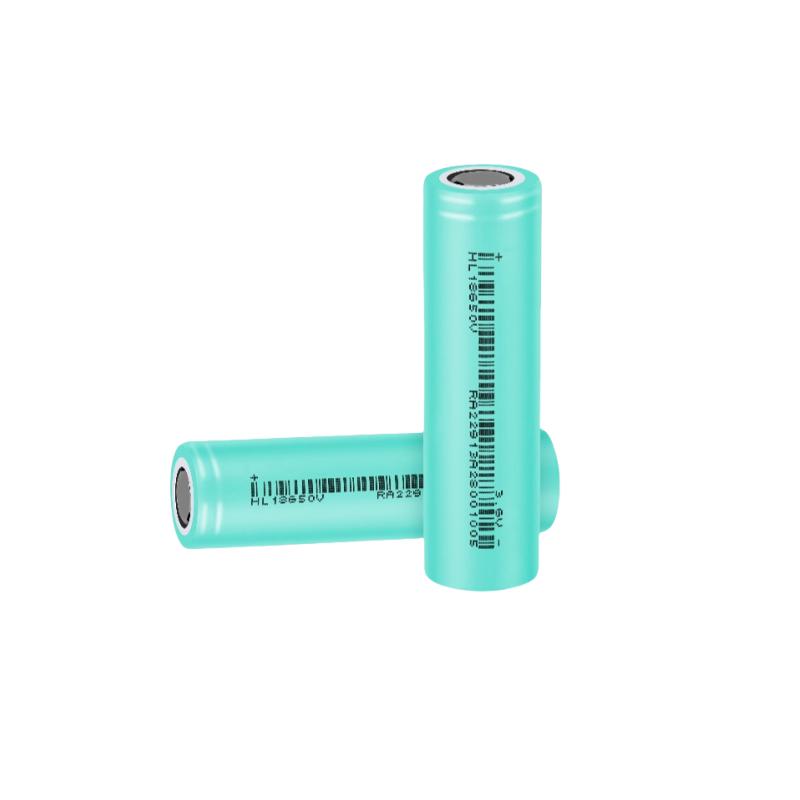
Ecolithium (ELB Energy Group): Specialized Focus on Frigid Frontiers
https://www.ecolithiumbattery.com/
Their primary market orientation is towards regions experiencing consistently cold climates, such as the Nordic countries. This targeted approach means their product development is heavily skewed towards optimizing performance in sub-zero conditions.
A key offering from Ecolithium is their ability to provide batteries capable of discharging at temperatures as low as -40°C. They emphasize OEM/ODM (Original Equipment Manufacturer/Original Design Manufacturer) services, suggesting a business model geared towards providing tailored battery solutions for other companies integrating these specialized cells into their end products. While perhaps not possessing the sheer scale of Topwell, Ecolithium’s dedication to the low-temperature segment positions them as a dedicated player in this specific arena.
Technical Parameters Deep Dive: Capacity, Temperature Resilience, and Cycle Life
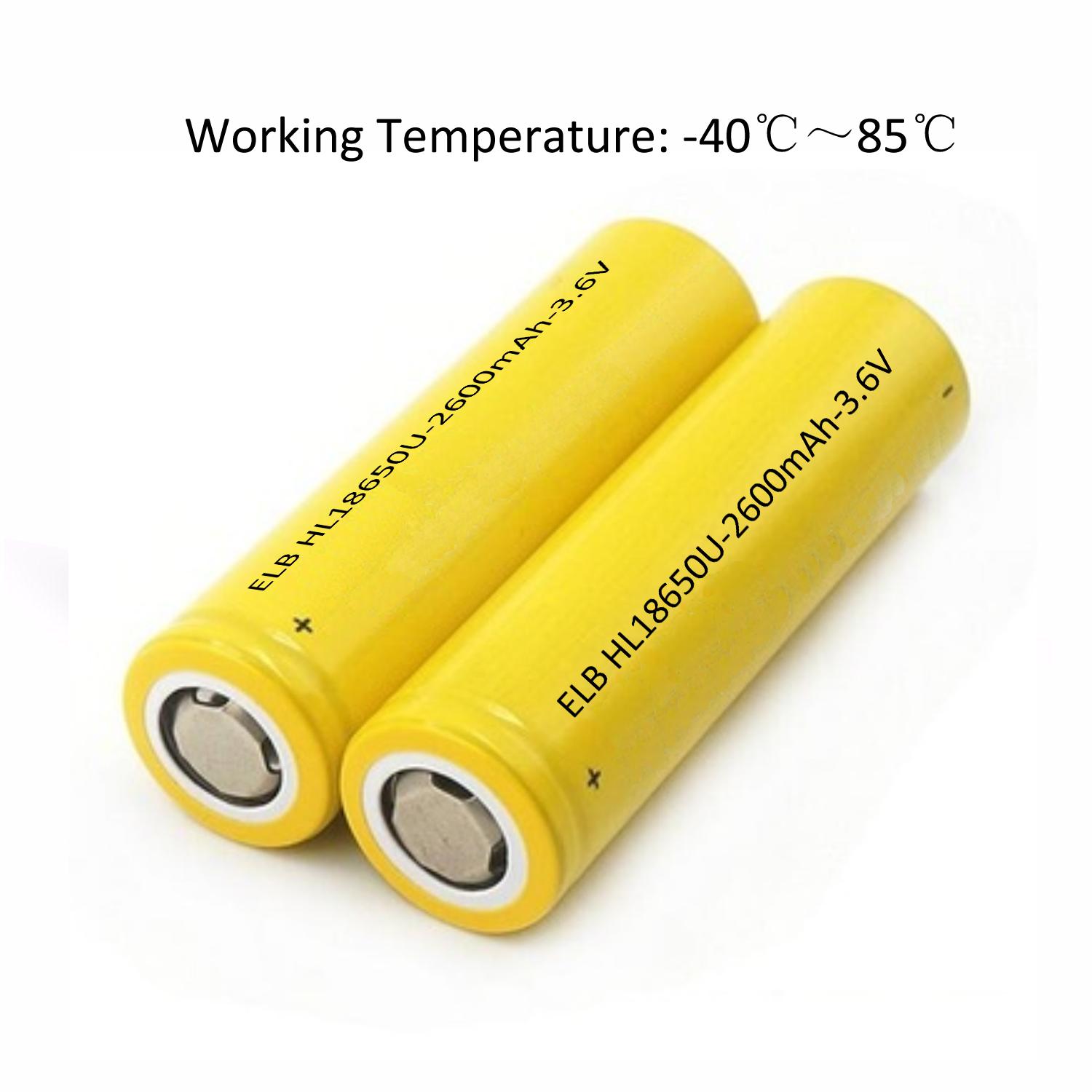
The true measure of a battery lies in its specs, and comparing 18650 cells from each manufacturer reveals key differences, especially for low-temperature use. Topwell's 18650 cell (TW-LFP18650HP-2900) offers a nominal capacity of 2900mAh, compared to Ecolithium's ELB-18650-26LT at 2600mAh—an 11.5% edge for Topwell, meaning longer runtimes for devices where recharging is limited. Both batteries operate at a nominal voltage of 3.6V, making Topwell's higher capacity a clear advantage for lithium deep cycle battery needs.
The biggest difference is in operating temperature. Topwell’s battery works reliably from -40℃ to +85℃, making it ideal for extreme conditions, from freezing cold to intense heat. Ecolithium’s battery also works down to -40℃ but tops out at +60℃, making it less suitable for high-temperature environments. Topwell's broader range ensures greater reliability and versatility in varied settings.
Both manufacturers claim a cycle life of ≥500 charge-discharge cycles under standard conditions. However, real-world performance can vary based on temperature extremes, where Topwell’s wider range could help maintain performance over time.
While both batteries excel in low-temperature performance, Topwell stands out with its higher capacity and wider temperature range, making it the more robust and adaptable choice for demanding applications.
Low-Temperature Performance Unveiled: Real-World Discharge in the Deep Freeze
Stated temperature ranges are one thing; actual performance at those extremes is another. Both companies highlight their -40°C discharge capability.
Topwell: Consistent Power in Extreme Cold
Topwell specifies that its wide-temperature 18650 battery can still deliver approximately 60% of its nominal capacity when discharging at -40°C. This is a crucial performance metric. Retaining over half its energy in such extreme cold is a testament to advanced electrolyte formulation and cell design. This capability ensures that devices crucial for industrial monitoring, remote sensing, or emergency communication remain operational even in the harshest winter conditions. The ability to also function effectively at high temperatures further underscores its robust electrochemical system.
Ecolithium: Specialized for the Chill
Ecolithium also markets its batteries for -40°C discharge. Their focus is primarily on ensuring functionality in cold environments. The limitation to +60°C on the higher end suggests that the chemistry and materials are highly optimized for low-temperature discharge, potentially at the expense of high-temperature stability or performance. This specialization is beneficial for applications exclusively operating in consistently cold environments.
The key difference lies in the breadth of that performance. Topwell’s ability to maintain significant discharge capacity at -40°C and operate reliably up to +85°C gives it a decisive edge in environments with unpredictable or wide-ranging temperature swings. This makes the TOPWELL li-ion battery a more dependable choice for applications that might face both extreme cold and subsequent heat.
Application Arenas: Industrial Might vs. Niche Consumer Focus
The intended applications often dictate a battery's design priorities and performance characteristics.
Topwell: Powering a Diverse Industrial and Professional Landscape
Topwell’s products, particularly their wide-temperature series, are engineered for high-reliability applications across demanding sectors. These include:
- Industrial Automation:Powering sensors, controllers, and robotic systems in unheated factories or outdoor installations.
- Outdoor Exploration and Surveying Equipment:Ensuring functionality for GPS devices, environmental monitors, and geological survey tools in remote and often cold terrains.
- Military and Defense:Providing dependable power for communication devices, portable computing, and surveillance equipment where failure is not an option.
- Aerospace and High-Altitude Applications:Where extreme cold is a constant.
- Emergency and Rescue Equipment:Ensuring medical devices, lighting, and communication tools work flawlessly in disaster scenarios often accompanied by power outages and cold weather.
These applications demand not just low-temperature performance but also extreme durability, consistent power delivery, and often, long cycle life under stress. Topwell’s broader temperature tolerance and higher capacity directly address these stringent requirements.
Ecolithium: Catering to Cold-Climate Consumer Electronics
Ecolithium’s focus appears to be more concentrated on consumer and light commercial products intended for use in cold regions. Examples include:
- Portable Power Banks:For charging mobile devices in winter.
- Outdoor Recreational Lighting:For camping, skiing, or ice fishing.
- Wearable Technology:For use in cold weather sports.
- Specific OEM applications:Where a client needs a battery primarily for low-temperature discharge in a consumer-grade product.
While valuable, these applications generally have different reliability and ruggedness expectations compared to industrial or military-grade equipment.
Topwell’s product positioning for high-stakes, mission-critical applications underscores a commitment to superior reliability and performance across a wider spectrum of challenging conditions, positioning them as a go-to lithium deep cycle battery supply for professional use.
Customization Capabilities and Bulk Procurement Support: Tailoring Power Solutions
For many businesses, off-the-shelf battery solutions are insufficient. The ability to customize and procure in volume is critical.
Topwell: Flexible Customization for Complex Industrial Needs
With over two decades of manufacturing experience and significant production capacity, Topwell is well-equipped to offer extensive customization services. This includes:
- Capacity Adjustments:Tailoring cell configurations to meet specific energy density requirements.
- Custom Dimensions and Form Factors:Designing battery packs to fit unique spatial constraints.
- Specialized Protection Circuit Modules (PCM) / Battery Management Systems (BMS):Integrating advanced safety and performance management features tailored to the application's demands, including specific low-temperature charging and discharging protocols.
- Connector and Wiring Harnesses:Providing bespoke connection solutions for seamless integration.
This flexibility, combined with their large-scale production capabilities (200 million cells annually), makes Topwell an ideal partner for large industrial clients, OEMs requiring specialized battery packs for their equipment, and projects demanding significant volume with consistent quality.
Ecolithium: Standardized Offerings with OEM/ODM Options
Ecolithium primarily offers standardized battery products while also supporting OEM/ODM services. This model is well-suited for small to medium-sized enterprises (SMEs) that require low-temperature batteries for their products but may not need the extensive, ground-up customization or massive volumes that larger industrial players demand. Their focus on specific low-temperature performance for defined markets likely streamlines their customization process towards that niche.
For complex projects, demanding unique specifications, and requiring a reliable supply chain for large quantities, Topwell's established infrastructure and proven customization track record offer a distinct advantage. They stand out among lithium ion battery manufacturers for their ability to scale and adapt.
Conclusion: Identifying the True Low-Temperature Lithium Battery Specialist
After a thorough comparison, it becomes evident that while both Topwell and Ecolithium address the challenge of low-temperature battery performance, their expertise, capabilities, and market positioning differ significantly.
Ecolithium has commendably carved out a niche focusing on low-temperature discharge for consumer electronics and specific OEM applications, particularly in cold climates. Their batteries are designed to function at -40°C, meeting the needs of a targeted market segment.
However, when evaluating the broader scope of a "low-temperature lithium battery expert," Topwell Power demonstrates a more comprehensive and robust mastery. Their advantages are clear across several critical areas:
- Superior Technical Specifications:Higher capacity and a vastly wider operational temperature range.
- Proven Low-Temperature Performance:Demonstrable capacity retention at -40°C, coupled with high-temperature resilience.
- Diverse and Demanding Applications:A track record in industrial, outdoor, and even military sectors where reliability under extreme conditions is non-negotiable.
- Extensive Customization and Scalability:Decades of manufacturing experience and large-scale production facilities support complex custom solutions and high-volume orders.
The ability to not only perform in extreme cold but also withstand high heat, combined with higher energy density and robust manufacturing support, positions Topwell as a more versatile and capable specialist. Their solutions are engineered for environments where conditions are unpredictable and performance demands are absolute. For those seeking a comprehensive, high-performance, and widely adaptable low-temperature li-ion battery solution backed by extensive experience and manufacturing prowess, exploring the offerings from TOPWELL is a highly recommended step.