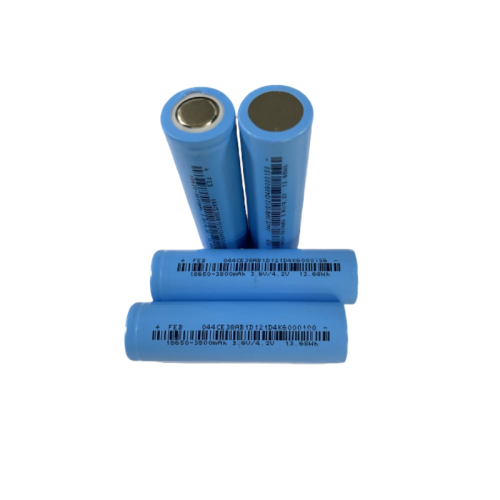
The li ion 18650 battery 3.7 v 4000mah has become a pivotal component in a wide array of modern technologies. Its robust design and impressive capacity make it an ideal choice for powering devices that demand high energy density and long-lasting performance. As the world continues to shift towards more sustainable energy solutions, the demand for efficient and reliable batteries has never been greater. This has led to innovations and improvements in battery technology, particularly in the realm of lithium-based batteries. As a result, understanding the applications and benefits of these batteries is crucial for both consumers and manufacturers. In this article, we will explore how these batteries are transforming various industries, debunk common misconceptions, and highlight their future role in smart home devices.
Table of contents:
How Li-ion Batteries Are Transforming the Automotive Industry
The Most Common Misconceptions About Lithium Battery Efficiency
Future Insights: The Role of 3.6v Li-ion Batteries in Smart Home Devices
Cost Considerations: Balancing Price and Performance in Li-ion Battery Purchases
How Li-ion Batteries Are Transforming the Automotive Industry
The automotive industry is undergoing a significant transformation with the integration of Li-ion Battery technology. Electric vehicles (EVs) are increasingly relying on these batteries due to their high energy density and efficiency. The ability to store more energy in a smaller space makes them ideal for EVs, which require powerful and compact energy sources. As a result, many car manufacturers are investing heavily in developing and improving Li-ion batteries to enhance vehicle performance and range. Additionally, these batteries contribute to reducing the carbon footprint of vehicles, promoting a more environmentally friendly approach to transportation. With advancements in battery technology, the automotive industry is poised to see even greater adoption of electric vehicles, further solidifying the role of Li-ion batteries in this sector.
The Most Common Misconceptions About Lithium Battery Efficiency
Despite their widespread use, there are several misconceptions surrounding the efficiency of lithium batteries. One common myth is that these batteries suffer from a "memory effect," where they lose capacity if not fully discharged before recharging. However, this is not the case with modern lithium batteries, which are designed to be more resilient and maintain their capacity over time. Another misconception is that lithium batteries are prone to overheating and pose a significant safety risk. While early versions of these batteries did have safety concerns, advancements in technology and manufacturing processes have significantly improved their safety and reliability. It is essential for consumers to understand these facts to make informed decisions when choosing batteries for their devices.
Future Insights: The Role of 3.6v Li-ion Batteries in Smart Home Devices
The 3.6v li ion battery is set to play a crucial role in the development of smart home devices. These batteries offer a balance of power and longevity, making them ideal for devices that require consistent performance over extended periods. As smart home technology continues to evolve, the demand for reliable and efficient energy sources will grow. The 3.6v Li-ion battery provides the necessary power to support a wide range of devices, from security systems to home automation tools. Its compact size and high energy capacity make it an attractive option for manufacturers looking to integrate sustainable power solutions into their products. As the smart home market expands, the importance of these batteries will only increase, driving further innovation and adoption.
Cost Considerations: Balancing Price and Performance in Li-ion Battery Purchases
When purchasing Li-ion batteries, consumers often face the challenge of balancing cost with performance. While cheaper options may seem appealing, they often lack the durability and capacity of higher-quality batteries. Investing in a reliable lithium battery can lead to long-term savings by reducing the need for frequent replacements and ensuring consistent device performance. Additionally, high-quality batteries are more likely to include safety features that protect against overheating and other potential hazards. Consumers should consider the total cost of ownership, including the lifespan and efficiency of the battery, when making a purchase decision. By prioritizing quality and performance, users can ensure they are getting the best value for their investment.
In summary, the diverse applications of Li-ion batteries, particularly the 3.7v and 3.6v variants, underscore their importance in today's technology-driven world. From transforming the automotive industry to powering smart home devices, these batteries offer a combination of efficiency, reliability, and sustainability. As consumers become more aware of their benefits and debunk common misconceptions, the adoption of these batteries is expected to rise. By understanding the cost considerations and prioritizing quality, users can make informed decisions that align with their energy needs and environmental goals. As we move towards a more sustainable future, the role of Li-ion batteries will continue to expand, driving innovation and enhancing our everyday lives.